


Talking about reducing logistics costs through packaging no longer means simply looking for cheaper materials or reducing the size of a box. Today, packaging plays a much broader role within the supply chain. It influences storage, transport, operating times and even losses caused by damage or returns.
In food packaging solutions, every centimeter counts. Every gram does too. And when a company moves thousands of products, small improvements can translate into a significant economic impact.
In this scenario, Grupo Tav Food has spent years working with a vision that goes far beyond packaging as a simple container. Packaging becomes a strategic tool capable of optimizing processes and improving efficiency across the board.
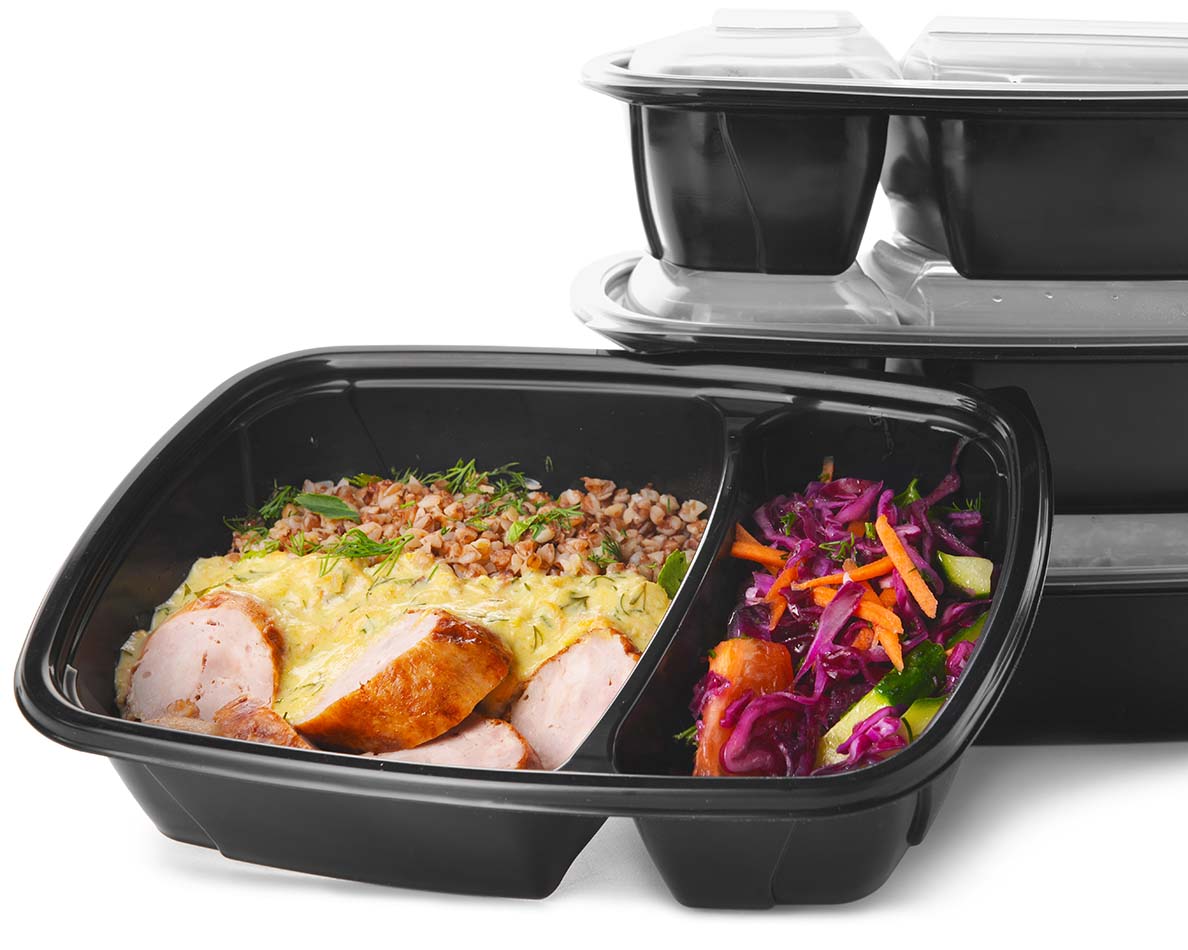
Why reducing logistics costs with packaging does not depend only on transport
There is a fairly widespread idea: when a company wants to reduce logistics costs, it automatically thinks about transport. However, a significant part of the expense appears long before the product leaves the warehouse.
Packaging influences multiple processes that sometimes go unnoticed. Poorly designed packaging can take up more space than necessary, make storage more difficult or slow down internal processes. Even small inefficiencies repeated hundreds or thousands of times end up generating a considerable economic impact.
By contrast, when the design is optimized, improvements appear at different levels. Space is used more effectively, internal movements are reduced and operating times become more agile. Individually, they may seem like small changes, but accumulated over time they make an important difference.
And that is precisely where the usual mistake lies: analyzing only the unit cost of the packaging without looking at everything that happens around it.
The factors that make packaging directly impact logistics
Packaging does not work in isolation. It constantly interacts with warehouses, transport systems and production processes.
1.- Optimization of storage space
One of the most invisible costs within a company is space.
People often think only in terms of square meters, but what we are really talking about is usable capacity. Packaging that is too large or inefficient creates empty spaces that end up becoming lost money.
When the design is optimized: more units fit in each location, internal movements are reduced and the warehouse operating capacity increases. In addition, better organization makes day-to-day management easier and reduces unproductive time.
2.- Reduction of transport costs
Transport is one of the areas where packaging can generate the most immediate impact.
It is not only the weight of the product that matters. Factors such as the following also come into play:
- occupied volume
- stacking capacity
- stability during transport
- use of full loads
Packaging that takes up less space can make it possible to transport a larger quantity of product on the same trip. And fewer trips mean lower costs. It seems simple, but its effect is enormous.
3.- Product protection and reduction of waste
There is nothing more expensive than transporting a product that ends up damaged.
Sometimes, trying to save on packaging creates much bigger problems later on. Deformed products, breakages, loss of quality or returns end up becoming additional costs that were not initially expected.
This is where one of the major mistakes appears: thinking only about the price of the packaging and not about the overall cost of the operation. The right packaging does not only contain; it protects.
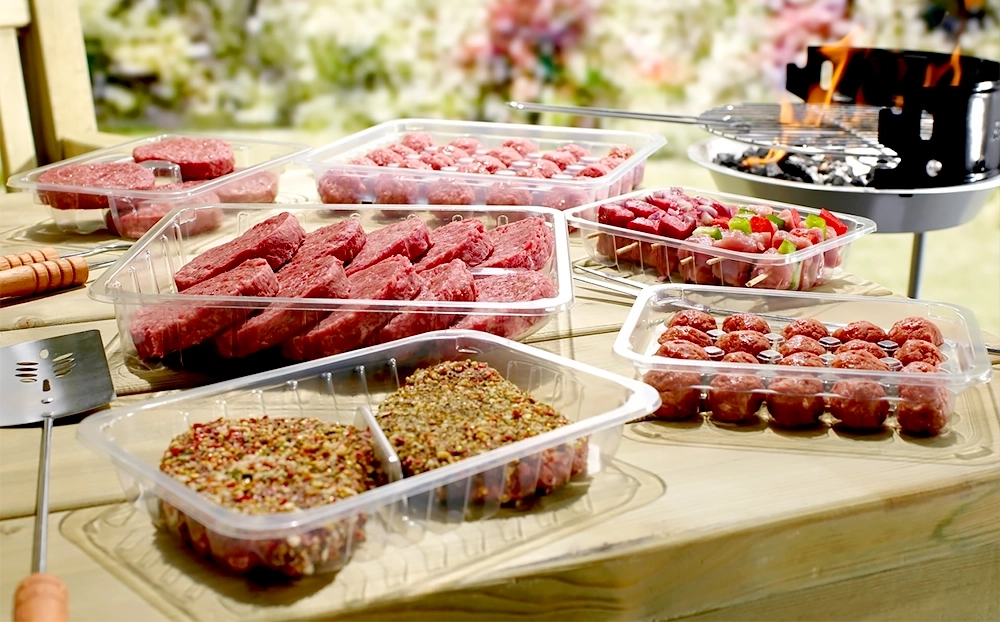
How to reduce logistics costs through packaging with smart design
The design phase determines much of how the packaging performs later. And here, the goal is not simply to make it smaller. It is to make it more efficient.
Design conceived for palletization
When packaging is designed with palletization in mind, immediate advantages appear.
For example: better load distribution, greater stability, fewer empty spaces or better vertical use
Sometimes, a small change in dimensions generates a major improvement in logistics capacity.
Lightweight materials without losing strength
For years, there was a fairly common association: more material meant more protection. Today, that has changed. Technical advances make it possible to work with materials that reduce weight while maintaining very high resistance properties.
This brings clear advantages such as reducing the total weight transported, lower fuel consumption or greater ease of handling
In addition, more efficient materials make it possible to maintain product safety without oversizing the packaging.
Formats adapted to the type of product
Not all products have the same needs. And this is where many companies make a common mistake: using standardized formats for completely different situations.
A fresh product does not need the same thing as a prepared product. A refrigerated product also does not have the same needs as a frozen one. That is why prior analysis is so important.
Before selecting a solution, it is worth asking basic questions: how it will be stored, what route it will take, what handling it will undergo or how long it will remain exposed.
Answering correctly completely changes the final result.
Stackable and efficient packaging
Sometimes, an apparently minimal improvement generates major changes. Packaging designed to facilitate stacking can considerably increase storage and transport capacity. It also improves stability during movement and reduces the risk of incidents.
It is not just about placing products on top of each other; it is about making proper use of every available centimeter.
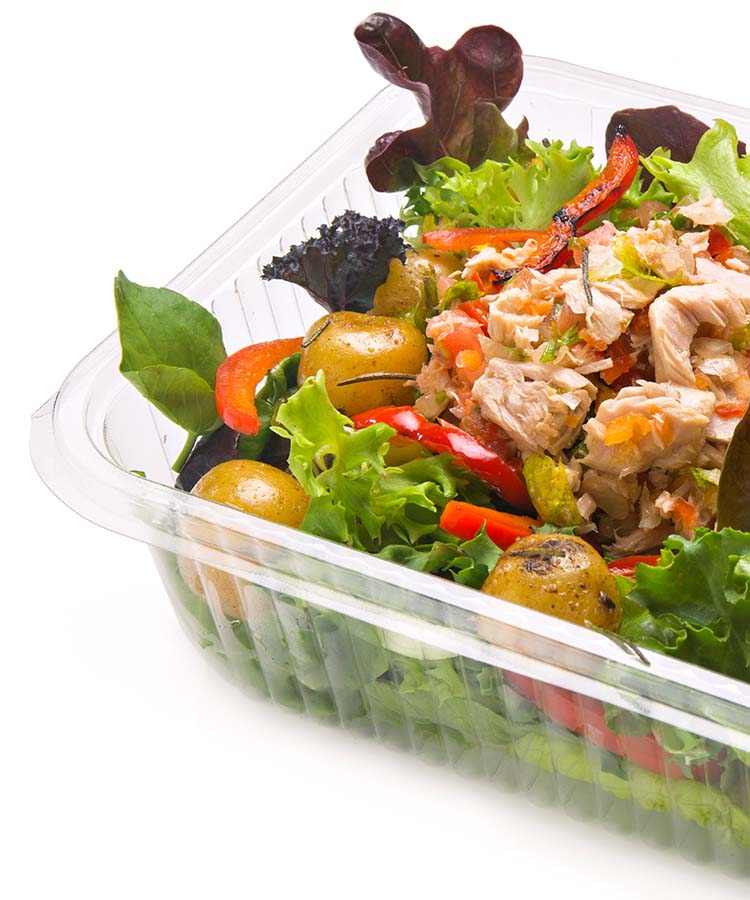
The silent impact of packaging within the supply chain
Some improvements do not come with big headlines or radical changes. Things simply start to happen.
Preparation times decrease without anyone having to completely modify a process. The warehouse operates more smoothly. Operators need to make fewer movements. Orders go out faster and incidents start to decrease.
The reality is that there is rarely a single action that transforms an entire operation. Usually, small cumulative improvements appear and gradually create a much more efficient chain.
It is somewhat like adjusting a machine: one part on its own may seem unimportant, but when all parts work properly, the result changes completely.
That is why packaging plays a more relevant role than it is often given. Because it does not only affect the product; it affects the behavior of the entire supply chain.
How to reduce logistics costs through packaging from a more sustainable perspective
Years ago, sustainability and profitability seemed to be concepts moving along separate paths. There was a certain perception that opting for sustainable materials meant accepting higher costs or less efficient processes. However, that view is changing.
Today, many sustainable solutions are also helping to optimize logistics processes. Reducing unnecessary material, lowering weight or improving space utilization can generate efficiencies that end up having a real economic impact.
In addition, the market has also evolved. Consumers and companies increasingly value models that combine functionality and responsibility.
Grupo Tav Food has long been developing solutions that move precisely in that direction: seeking alternatives capable of maintaining technical performance, optimizing processes and providing added value that goes beyond the product itself.
It is precisely this constant work, based on continuous improvement and a long-term vision, that is beginning to position certain companies within increasingly recognized models of business excellence.
Common situations that increase costs without the company detecting them
Unnecessary costs often do not arise from major mistakes, but from small habits that are maintained for years.
Slightly oversized packaging, materials that take up more volume than necessary or poorly optimized storage systems may seem like minor details when viewed in isolation. The problem appears when these small inefficiencies are repeated thousands of times.
Some common situations are:
- Excess air inside the packaging
- Formats that are too large
- Oversized materials
- Difficulty stacking products
- Packaging with insufficient resistance
These are aspects that tend to remain because the system apparently works well. But when they are reviewed from a logistics perspective, improvement opportunities appear that were often hidden.
How Tav Food helps optimize costs through packaging
The approach is not simply to sell packaging. The idea is to understand how each client works and identify improvement points throughout the entire logistics chain.
This includes product analysis, process studies, material selection and format optimization.
Because packaging ceases to be an isolated element when it begins to influence production, transport and storage at the same time.
Reducing costs does not always mean spending less
Understanding how the product works, how it moves and how it is stored makes it possible to find opportunities that previously went unnoticed. And there, packaging stops being a box, a tray or a container. It starts to become a strategic tool capable of making the entire chain work better.